Effective Water Treatment Strategies
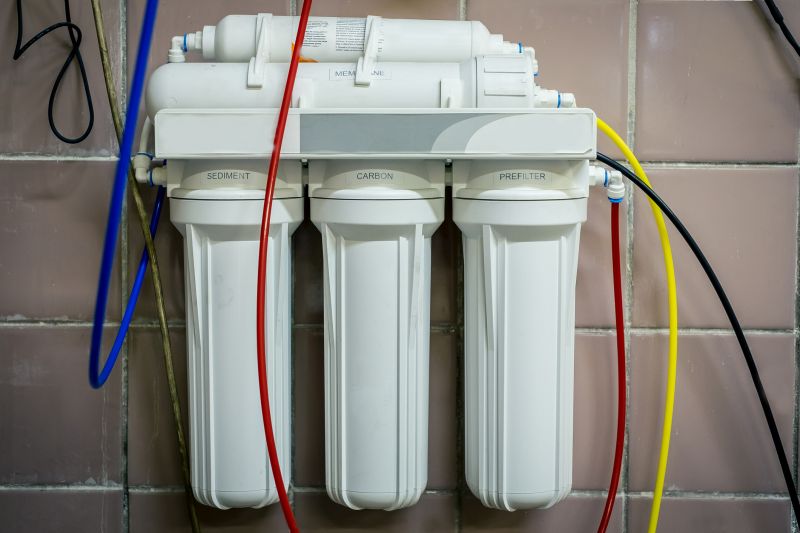
Spring is often recommended for water treatments due to increased water flow and temperature changes that enhance treatment effectiveness.
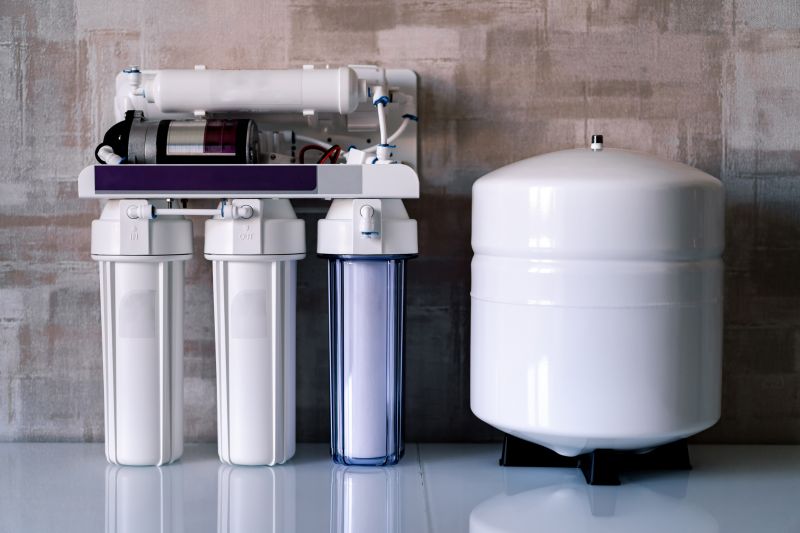
Preparing water systems before peak usage months ensures optimal performance and reduces risks of contamination.
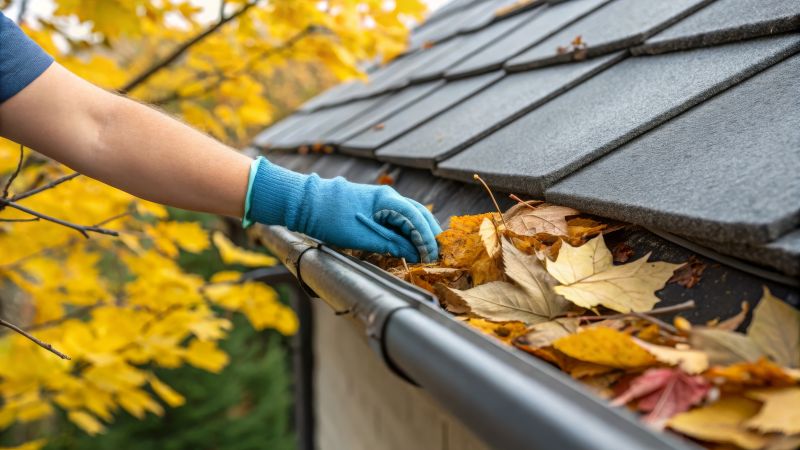
Fall treatments help address buildup from summer activities and prepare systems for winter conditions.
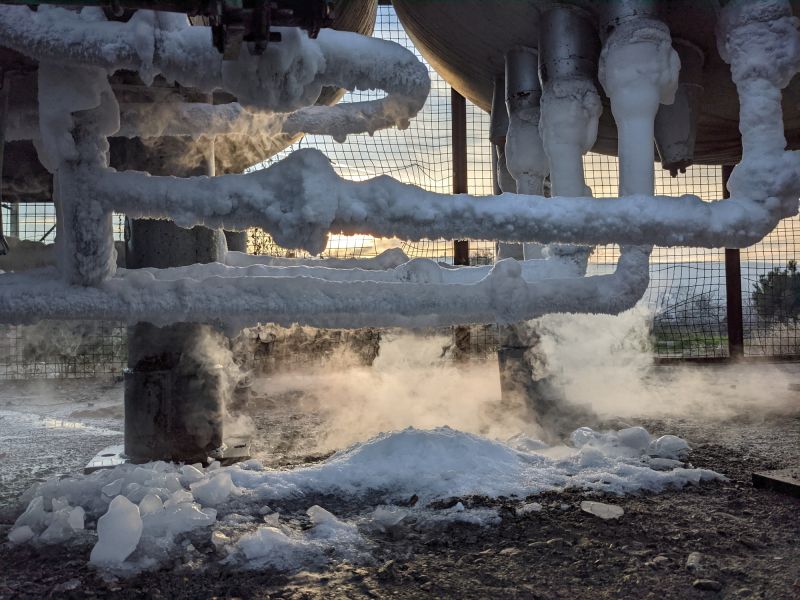
Winter inspections can identify issues caused by freezing temperatures and prevent damage.
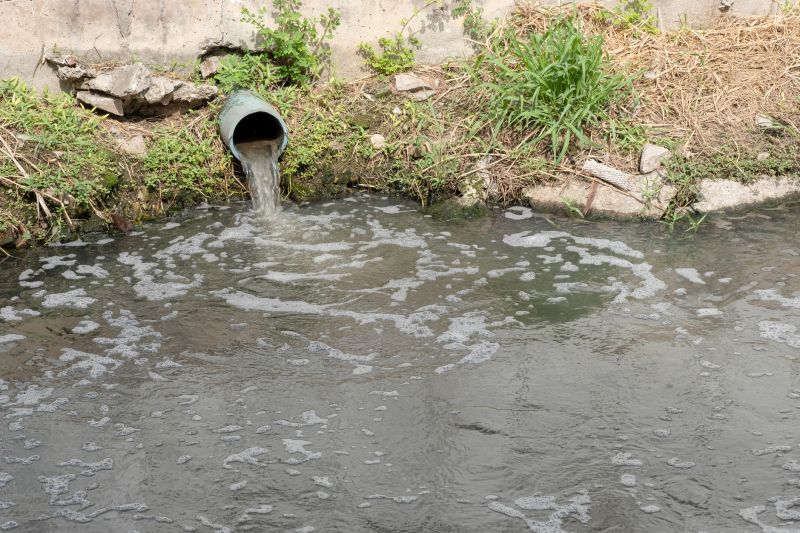
Following heavy rains, water treatment can mitigate increased sediment and contaminants.
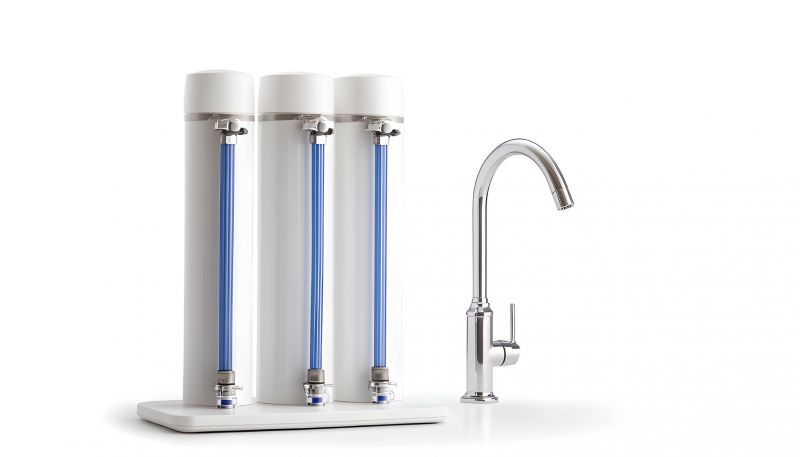
An annual water treatment ensures ongoing system efficiency and water quality.
Water treatments are essential for maintaining water quality and system efficiency. They involve processes like filtration, disinfection, and chemical adjustments to remove impurities and prevent buildup. Proper timing ensures these treatments are most effective, reducing long-term maintenance costs and health risks.
Statistics show that untreated or poorly timed water treatments can lead to significant issues, including bacterial growth, mineral buildup, and equipment failure. Regularly scheduled treatments aligned with seasonal changes can extend the lifespan of water systems and improve water safety for users.

Effective for removing sediments, chlorine, and other contaminants from water.
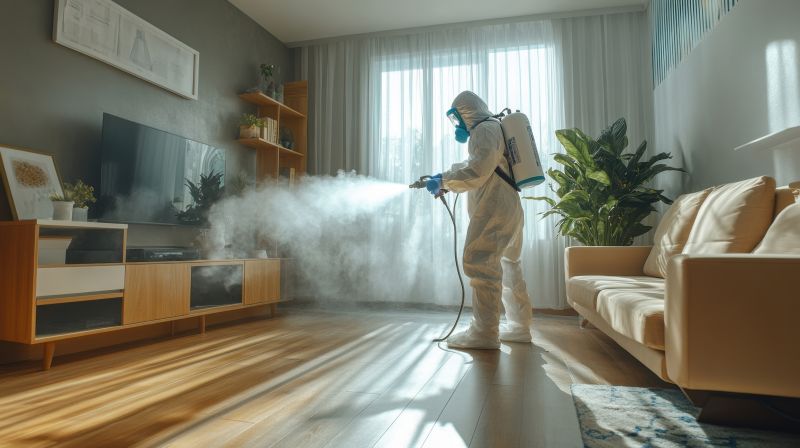
Includes chlorination and UV treatments to eliminate harmful microorganisms.
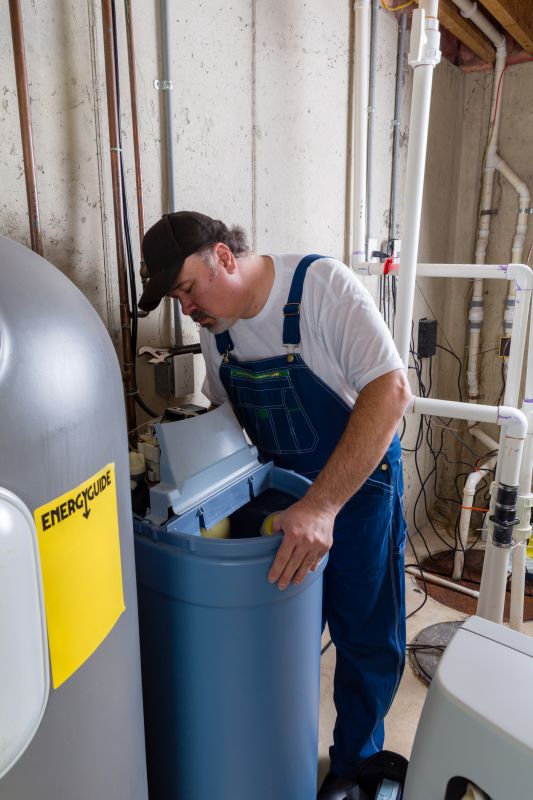
Balancing pH and mineral levels to prevent scaling and corrosion.

Clears out particles that can clog or damage water systems.

Prevents pipe deterioration by adjusting water chemistry.

Reduces hardness minerals to prevent buildup and extend appliance life.
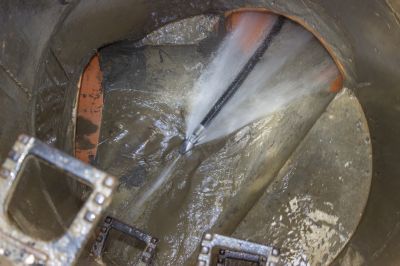
Removes accumulated debris and biofilm from pipes and tanks.

Regular testing ensures water quality standards are maintained.
| Season | Recommended Water Treatment Activities |
|---|---|
| Spring | System flush, mineral balance check, filter replacement |
| Summer | Disinfection, sediment removal, system inspection |
| Fall | Bacterial testing, chemical adjustment, equipment maintenance |
| Winter | Freeze protection, inspection for damage, system draining |
Timely water treatments are vital for ensuring safe, clean, and efficient water systems. Coordinating treatments with seasonal changes maximizes their effectiveness and helps prevent costly repairs or health issues. Regular maintenance schedules are recommended to sustain water quality and system longevity.
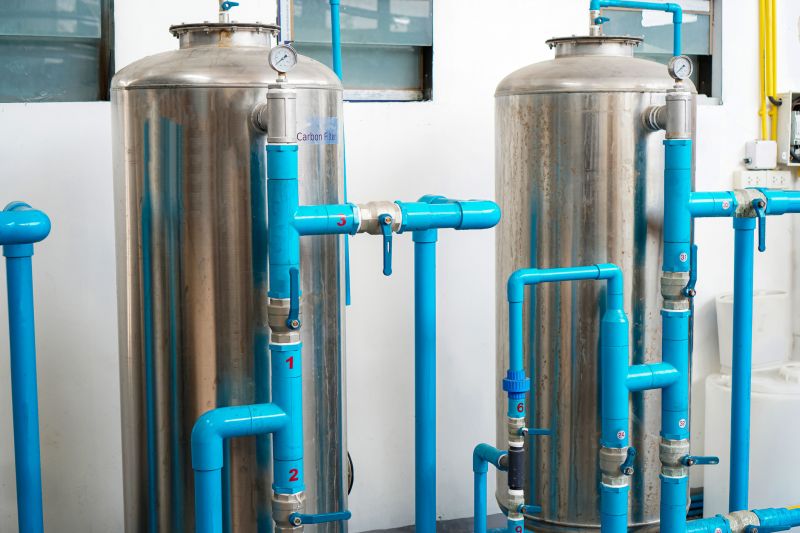
Includes filters, UV sterilizers, and chemical dosing systems.
Ensures compliance with safety standards and identifies issues early.
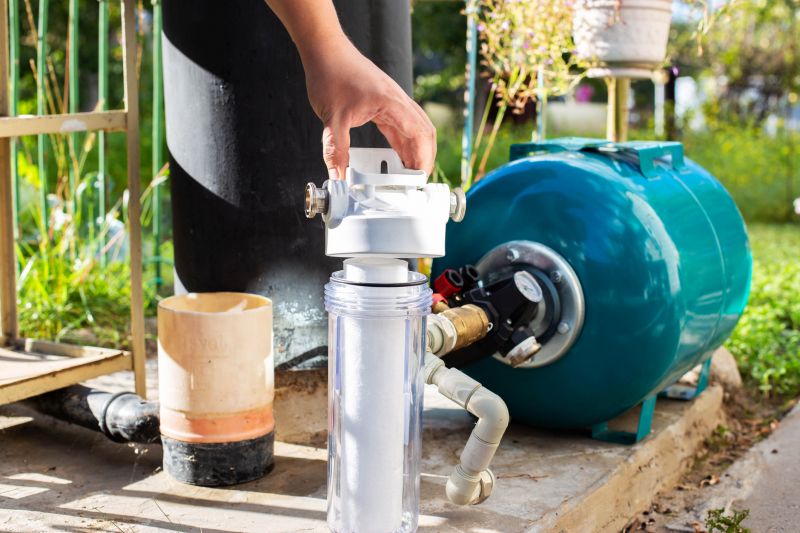
Specialized tools for system upkeep and repairs.
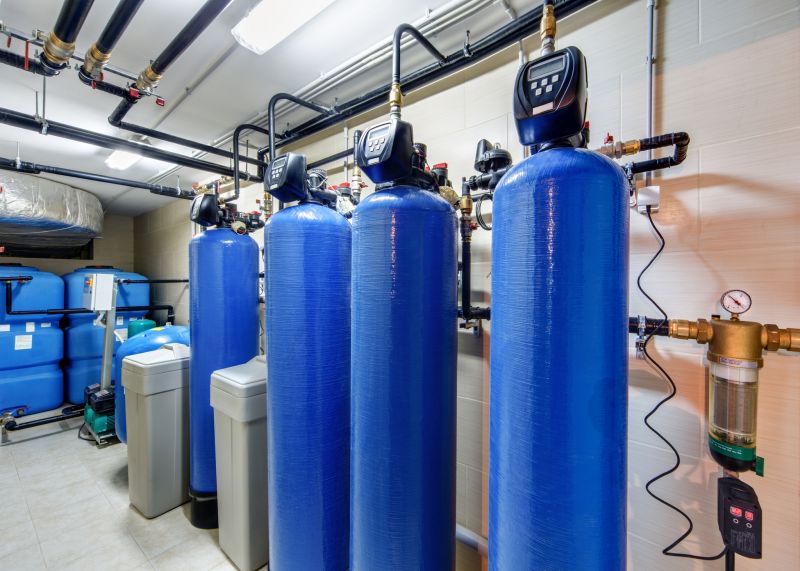
Proper storage ensures safety and effective treatment application.
Interested in scheduling water treatments? Filling out the contact form provides an opportunity to discuss specific needs and develop a tailored maintenance plan to ensure optimal water quality year-round.
Ways to make Water Treatments work in tight or awkward layouts.
Popular materials for Water Treatments and why they hold up over time.
Simple add-ons that improve Water Treatments without blowing the budget.